

CRA Program
The CRA Program aims to equip every Certified Risk Auditors with superior technical skills, outstanding professional competence and a promising career.
The newly updated CRA Program are delivered through a contemporary blend of online and face-to-face learning that fits with candidates' personal learning styles while keeping the quality and rigor that has characterized the CRA Program.
Upon completion of the Program, you will:
1. Have achieved an internationally-recognized accounting qualification
2. Be eligible to apply for membership of the Institute - giving you access to many advantages and professional services and being known as a Certified Risk Auditor
3. Benefit from the Institute’s membership recognized worldwide, opening up career opportunities and reciprocal benefits around the world.
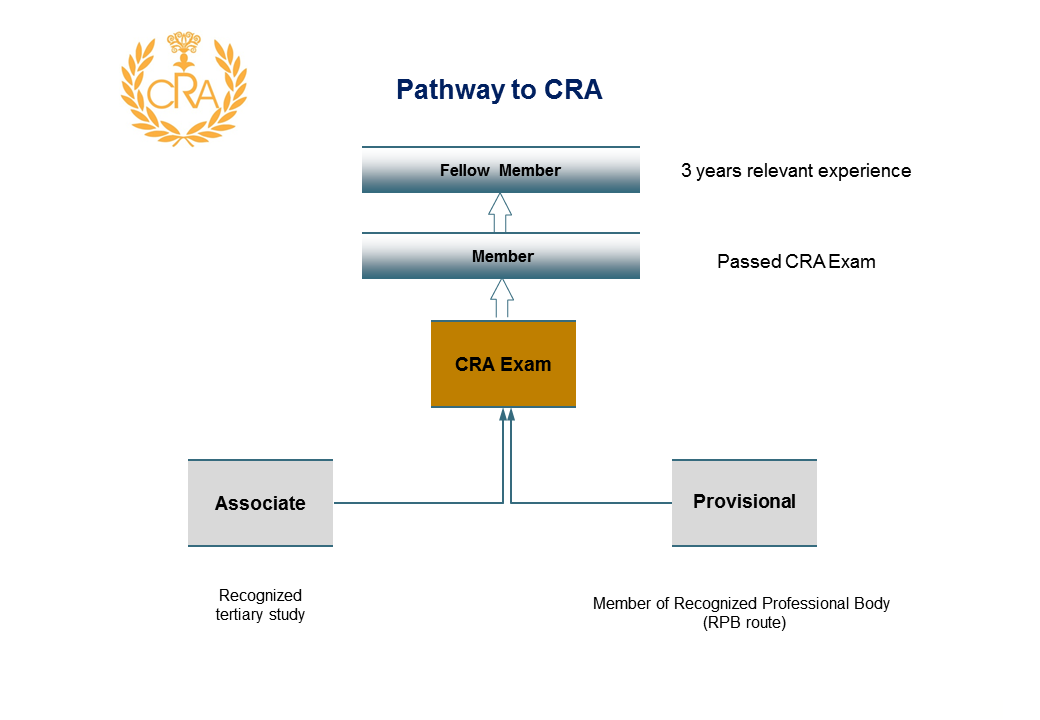
Program Overview
| 1. Fundamentals of Accounting | Foundation Level |
| 2. Economics | |
| 3. Cost & Management Accounting | |
| 4. Contracts & Commercial Law | |
| 5. Taxation | |
| 6. Accounting Information System | |
| 7. Audit & Assurance | Professional Intermediate Level |
| 8. Company Law | |
| 9. Business Mathematics and Statistics | |
| 10. Business strategy and management | |
| 11. Financial Accounting | |
| 12. Management Accounting | |
| 13. Corporate Reporting | Professional Final Level |
| 14. Financial Management | |
| 15. Advanced Auditing | |
| 16. Advanced Taxation for Businesses |


